
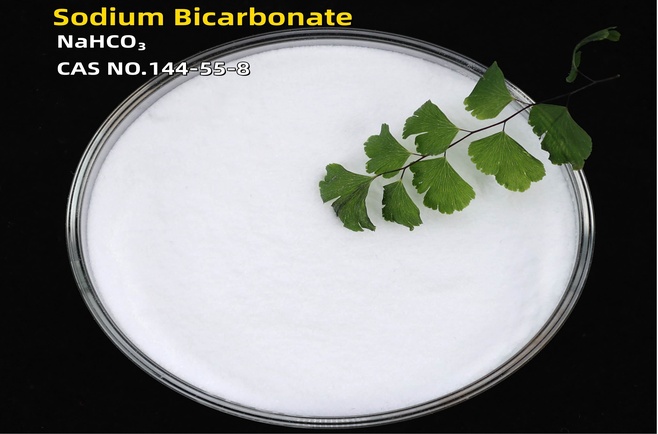
What is Sodium Bicarbonate? On supermarket shelves, baking soda is often displayed alongside flour and starch; in medicine cabinets, it provides relief for stomach discomfort; and near cleaning supplies, it serves as a powerful ally against stubborn stains and odors. This unassuming white powder is baking soda (sodium bicarbonate, chemical formula NaHCO₃).
The Chemical Principles Behind Its Versatility
The diverse applications of baking soda primarily stem from two key characteristics: it is weakly alkaline and decomposes easily when heated. In cooking, it is a classic leavening agent. When added to dough for steamed buns, biscuits, and other baked goods, it releases carbon dioxide upon heating, forming air pockets that result in a soft and fluffy texture. It can also be used to treat raw meat, breaking down muscle fibers to make the texture more tender and juicy.

A Mild and Eco-Friendly Cleaning Powerhouse
In daily life, baking soda is a natural and environmentally friendly cleaning agent. Leveraging its weak alkalinity, it effectively breaks down grease without the use of harsh chemicals. Mixing baking soda with water to form a paste allows for easy scrubbing of stovetops, sinks, and tile grout; sprinkling it inside refrigerators or shoes effectively absorbs odors; and adding a small amount to laundry can enhance stain removal. Compared to strong acid or alkali cleaners, baking soda is much gentler on human skin and various surfaces, making it a favorite among families seeking non-toxic cleaning solutions.
Medicinal Uses: For Emergency Relief, Not Long-Term Use
Medically, baking soda functions as an antacid. For occasional symptoms of heartburn or acid reflux, dissolving 1 to 2 grams of baking soda in a glass of warm water and drinking it can provide rapid relief. However, it should not be used as a long-term stomach remedy: excessive consumption can disrupt the body's acid-base balance, leading to alkalosis. Furthermore, since baking soda contains sodium, overconsumption may exacerbate hypertension. If you experience persistent digestive issues, it is crucial to seek medical attention promptly.
Safety Guidelines: Distinguish Grades and Store Properly
Baking soda is available in different grades, and the differences in their applications are significant. Food-grade baking soda undergoes deep purification to remove impurities such as heavy metals, making it safe for use in food processing. Industrial-grade (Technical Grade), on the other hand, is primarily used in industrial production, water treatment, and other similar applications. It may contain harmful impurities and must never be ingested. Always check the product label before use to ensure you are selecting the appropriate grade for your needs.
Additionally, avoid storing baking soda mixed with acidic substances such as vinegar or lemon juice, as they will undergo a neutralization reaction, rendering the product ineffective.
Industry Insight
China has emerged as a major global exporter of baking soda. Jinbei Chemical possesses robust production capabilities, exporting 100,000 tons annually. Its products have garnered widespread recognition worldwide, offering premium quality at the most competitive prices.